
How to Generate Inbound Leads on LinkedIn (B2B Strategy)
Reading time ~9 minutes
What is LinkedIn Inbound Lead Generation?
LinkedIn inbound lead generation means attracting and converting buyers through organic content, buyer intent signals, and conversational engagement instead of doing cold outreach.
In simple terms, inbound lead generation on LinkedIn means:
- Publishing high-value insights
- Capturing engagement from high-intent prospects
- Converting interests into conversations
It focuses on:
- Demand generation
- Authority positioning
- Organic lead generation
- Capturing buyer intent signals
If you’re a B2B founder, you should care about this method because LinkedIn already hosts decision-makers researching their problems and hoping to find a trusted & authoritative account to solve exactly what they’re facing.
Why Most B2B Founders Fail on LinkedIn?
Now almost everyone of us already knows content is the new tool to scale businesses. And for B2B, LinkedIn is a good shot if you’re lucky enough. Except, this “luck” doesn’t come from actual luck. It’s the strategy and motion behind the account.
And if you have tried generating leads on LinkedIn, you must have asked yourself questions like “what am I doing wrong?”, “why is my content not converting?”, “why is no one interested in my product / services?”, “why am I failing on LinkedIn?”, “how do I even generate revenue from LinkedIn?”, etc. etc.
Here are your answers, most B2B founders:
- Treat LinkedIn like a resume
- Post generic motivational content (which BTW will get you tons of likes and comments)
- Send transactional DMs
- Expect instant ROI
And some common LinkedIn mistakes in B2B are:
- Headline = job title
- No clear offer
- No intent capturing funnel / system
- Content without authority positioning
And this is exactly why you’re posting content but not getting leads. It’s also why LinkedIn content is not converting. The issue here is not your content getting visible, it’s the lack of conversion and architecture.
Now let’s fix your strategy and get more leads coming in your DMs 👇
Step 1: Fix Your Profile (It’s Your Landing Page)
If you want to optimize your LinkedIn profile for lead generation, you need to treat it like a conversion page (or landing page) and not your biography.
Whenever your ICP lands on your profile, they should get one question answered immediately:
“Can this person help me achieve [your ICP’s specific pain point]?”
Here are some key elements to include in your profile optimization checklist:
- A headline for lead generation focussed results
- A clear banner strategy communicating value instantly
- A structured about section explaining your framework (you may get a little creative here if you have a YouTube intro of yourself recorded !)
Bonus tips:
- Turn on Creator Mode to feature content and resources
- Showcase proof points instead of responsibilities
- Include a CLEAR call-to-action
Remember this: if your profile doesn’t convert, no amount of strategy or money spent on ads / agencies can save your funnel.
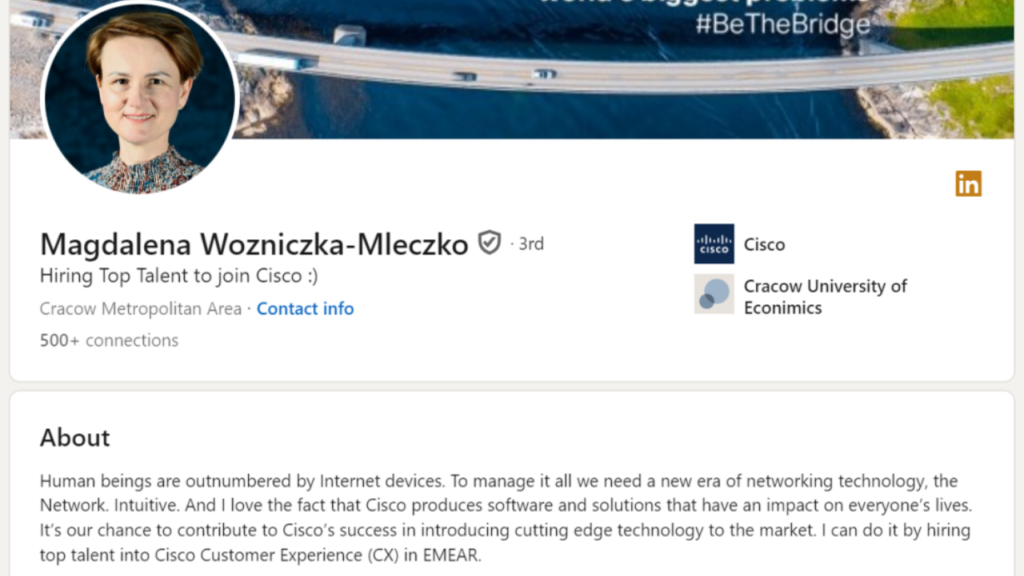

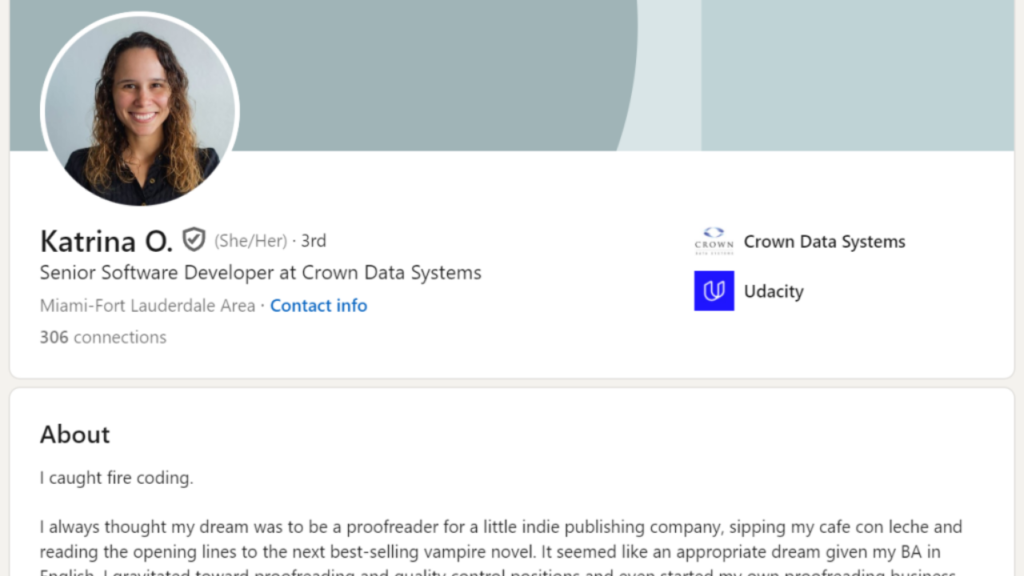
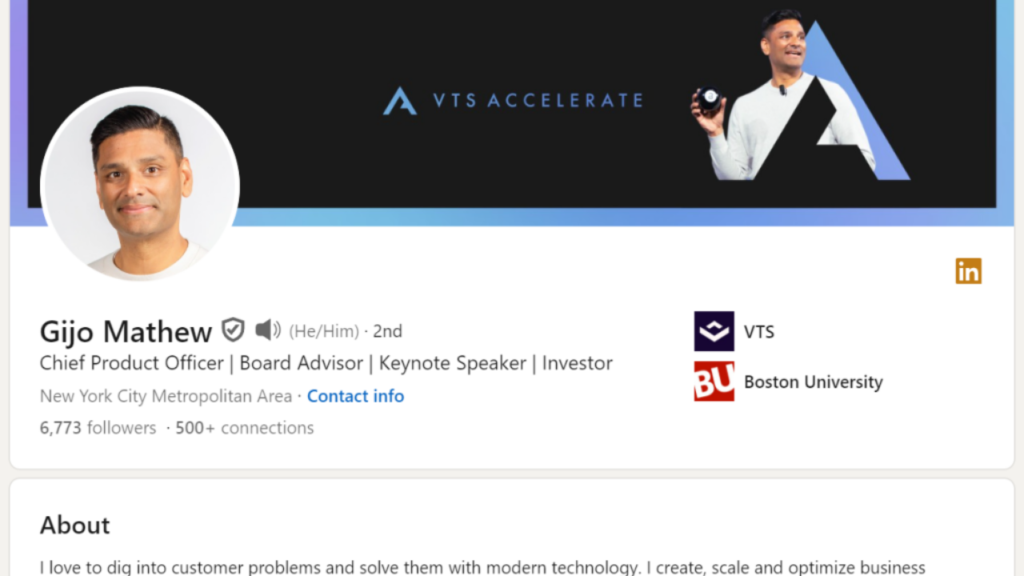
If you struggle to check and mark mistakes in your profile, our team is fixing 3 profiles a week for free. Apply here to get a chance of free audit and speak to the experts to fix it – https://roboax.org/apply-for-social-profile-audit/
Step 2: Use the “Hand-Raiser” Posting Strategy
Now talking about my personal favorite strategy to capture the right people’s attention with your content on LinkedIn.
I started calling this method the “Hand Raiser Post Strategy”.
It’s an intent capture mechanism designed to identify serious prospects. Instead of posting for vanity metrics, you publish content structured to generate signals.
This strategy typically follows this structure:
- Share a specific insight, framework, or case study
- Offer a practical resource
- Ask readers to comment a keyword
- Deliver it through DMs
This type of intent capture post on LinkedIn filters engagement. Only interested prospects respond.
Benefits of this method are:
- High algorithm reach
- Identifiable warm leads
- Natural conversation entry
This is where organic lead generation becomes measurable.
Step 3: Target Buyers in “Why Now” Moments
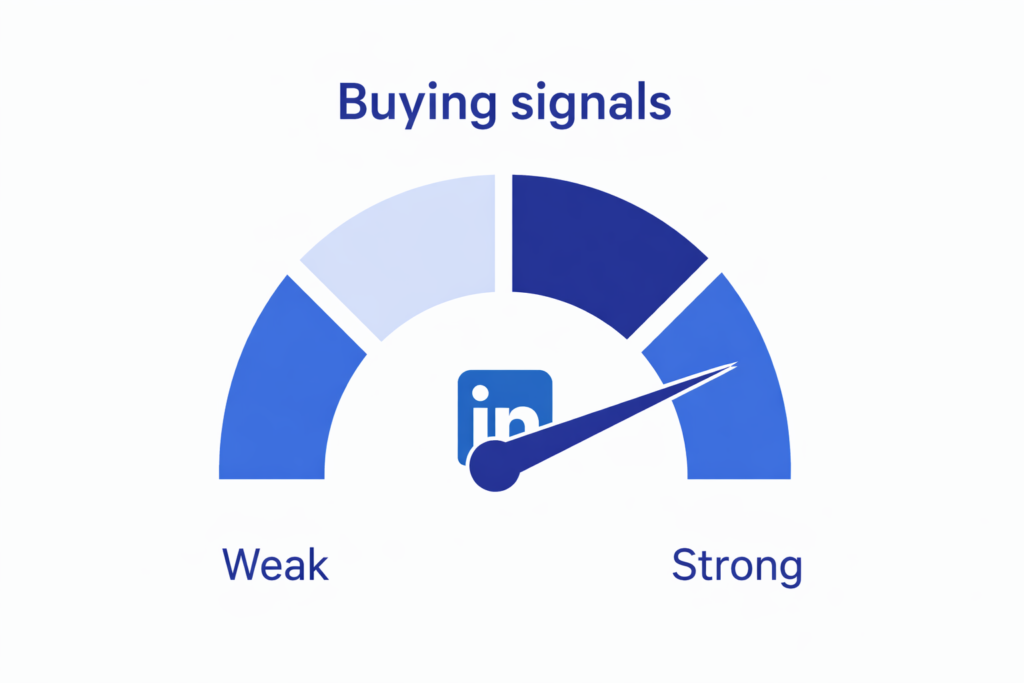
We have to understand the concept that not all prospects are equal and timing matters for each of them. Good news is you don’t need to guess the “perfect timing” for each prospect. Some buying intent signals LinkedIn exposes often are:
- Job change prospecting within the last 90 days
- Funding announcement leads
- Hiring signals
- Headcount growth
- Other trigger events in B2B sales cycles
These indicators reveal LinkedIn buyer intent. High intent prospects on LinkedIn are usually in transition or growth mode. That is when budgets are revised and priorities realign. Instead of mass outreach, focus on:
- Companies scaling teams
- Founders entering new markets
- Leaders restructing departments
Intent-based targeting consistently outperforms blind outreach. Much better if your content team can target these prospects just with posts for inbound queries, YES this is possible!
If you struggle with making converting buyer-intent posts for your LinkedIn and want to get someone on-board to do it for you, our team has recently helped a consultant get 72 inbound leads within 3 months and hit 2.8M+ impressions within a year of starting from exactly Zero.
Book A Call With Experts to Know More
Step 4: DM Like a Human
After you have done posting buying-intent content on your LinkedIn, outreaching in DMs will be easier than expected since people open your profile to see if your DM is worthy of replying. A good DM strategt for B2B lead generation should feel conversational and not promotional. If you are wondering how to message prospects on LinkedIn without being salesy, the structure is simple:
- Keep it under 50 words
- Reference something specific
- Ask a relevant question
Effective LinkedIn conversation starters B2B founders use often include:
- Observations about hiring
- Comments about recent posts
- Questions tied to visible growth
A DM script does not include a calendar link in the first message. It includes curiosity and the goal is getting responses and not immeditate conversion.

Step 5: Nurture Signals
Generating leads is only half the process. You must nurture LinkedIn leads effectively in order to actually land a paid deal. The nurturing strategy follows a structured social selling process:
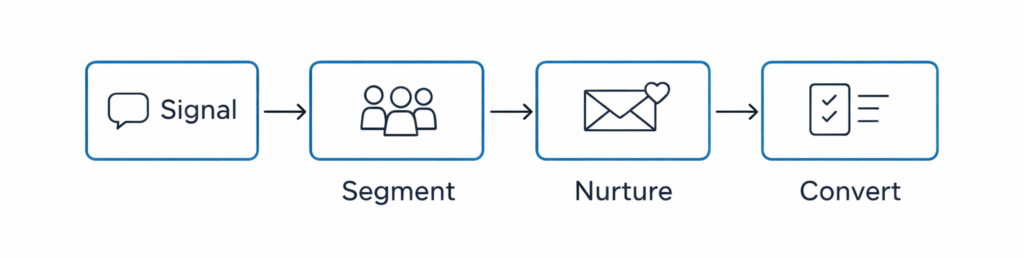
To nurture your prospects, you must have the following content handy:
- Tailored case studies
- Relevant insights from industry articles / reports
- Additional frameworks
- Scheduling deeper discovery calls
If you struggle to convert your leads and doubt your portfolio / pitch deck presentation, our team is auditing 3 brands weekly to understand their goals and fix pitch decks and portfolios, getting them more conversions. Apply here for a free audit and a chance to speak with experts to fix it – https://roboax.org/apply-for-portfolio-pitch-deck-audit/
Conclusion
A sustainable LinkedIn B2B marketing strategy includes:
- B2B content strategy LinkedIn aligned with buyer pain
- Consistent authority positioning
- A defined LinkedIn demand generation strategy
- Intent-based targeting
When we mix demand generation with conversations, inbound pipeline becomes predictable over time. This is the difference between “posting regularly” and building a pipeline.
Mini-Execution Playbook
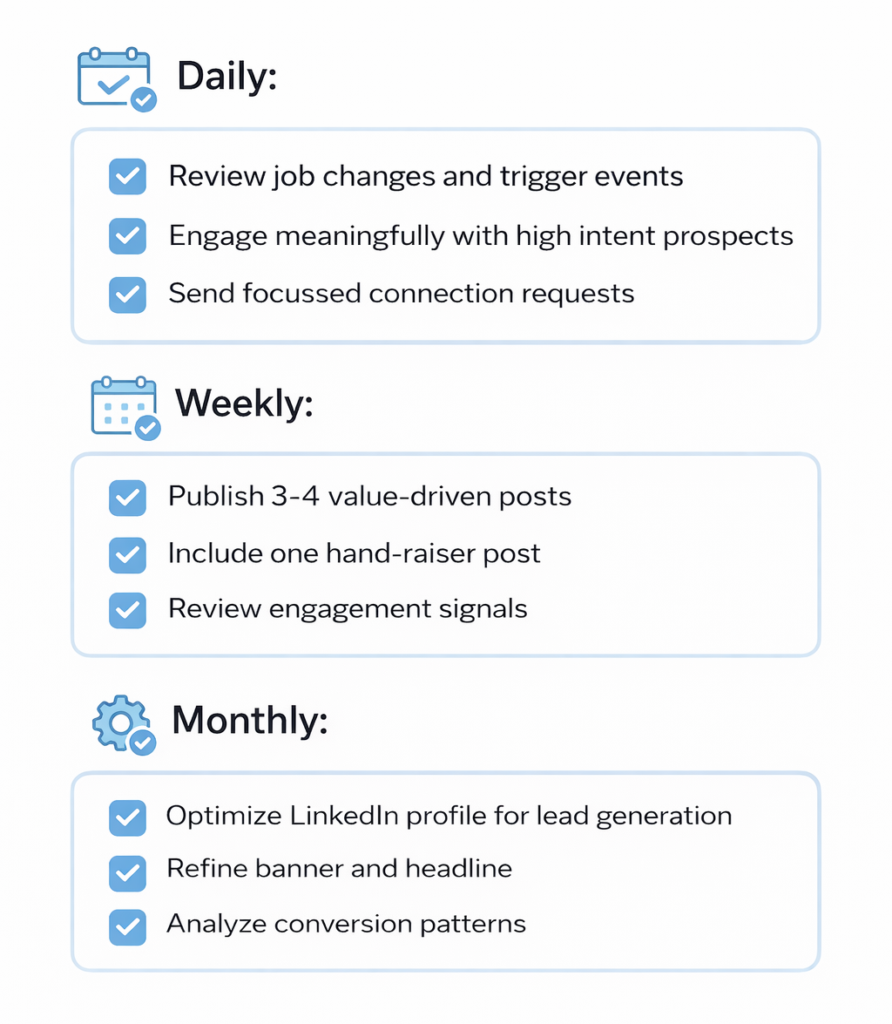
If you want a practical LinkedIn lead generation plan, here’s a step by step checklist:
And if you want someone to take lead of this for you, book a 30-minute free strategy call with our team here – https://roboax.setmore.com/
LinkedIn Inbound v/s Cold Outreach
LinkedIn inbound builds authority and captures buyer intent through organic demand generation, while cold outreach interrupts prospects directly. Here is a simple comparision between the two:
| Factor | LinkedIn Inbound | Cold Outreach |
|---|---|---|
| Approach | Intent-based marketing | Interruption-based prospecting |
| Lead Type | Warm leads | Cold leads |
| Trust Level | Built before conversation | Built after response |
| Effort Curve | Compounding over time | Linear and repetitive |
| Conversion Entry | Conversation-led | Pitch-led |
| Cost Efficiency | Lower long-term CAC | Higher friction and churn risk |
| Authority Positioning | Strengthens brand equity | Minimal brand lift |
| Scalability | Scales credibility | Scales activity |
| Response Quality | Higher intent replies | Lower response rates |
| Demand Generation | Creates inbound demand | Relies on outbound pressure |
Our team is performing 3 free LinkedIn profile audits every week. Apply here to get yours audited – https://roboax.org/apply-for-social-profile-audit/